Testing, Adjusting & Balancing

ULPA/HEPA Filter DOP Testing

NEBB Certified ULPA/HEPA Filter Integrity Testing Services

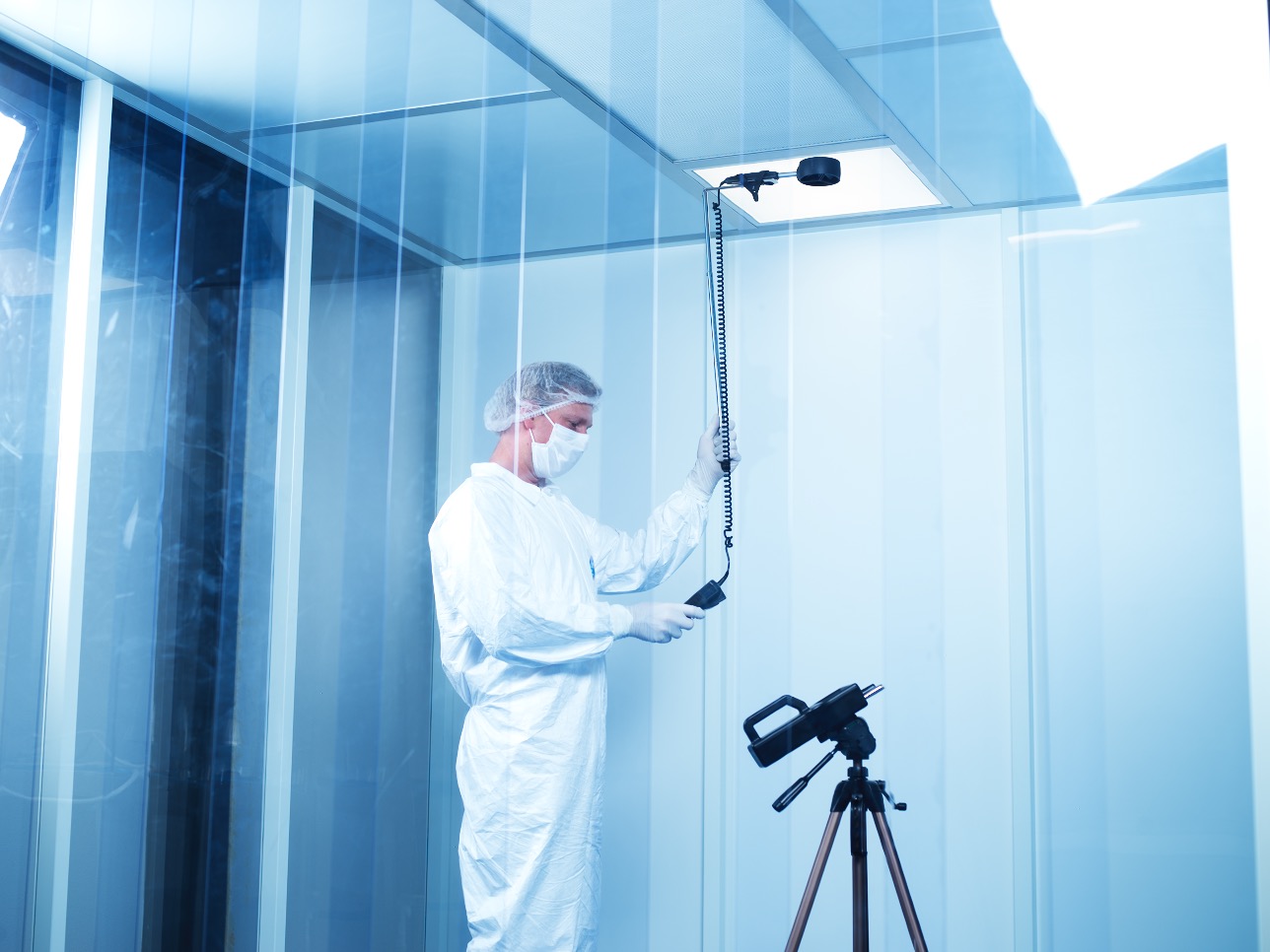
Shan International provides comprehensive ULPA/HEPA filter integrity testing services across Saudi Arabia, ensuring critical environments maintain the highest air quality standards. As a NEBB-certified contractor, we conduct thorough DOP (Dispersed Oil Particulate) testing following ISO 14644-3, NSF/ANSI 49, and IEST-RP standards. Our certified engineers and technicians deliver accurate, reliable filter leak testing essential for pharmaceutical manufacturing, hospital operating rooms, laboratories, and clean room facilities throughout the Kingdom.

  • Filter Leak Test – Aerosol Photometer Method
  • Filter Leak Test – Discrete Partical Counter Method 
  • Filter Leak Test – Total Aerosol Penetration Method
  • Bench Scan Filter Leak Test 
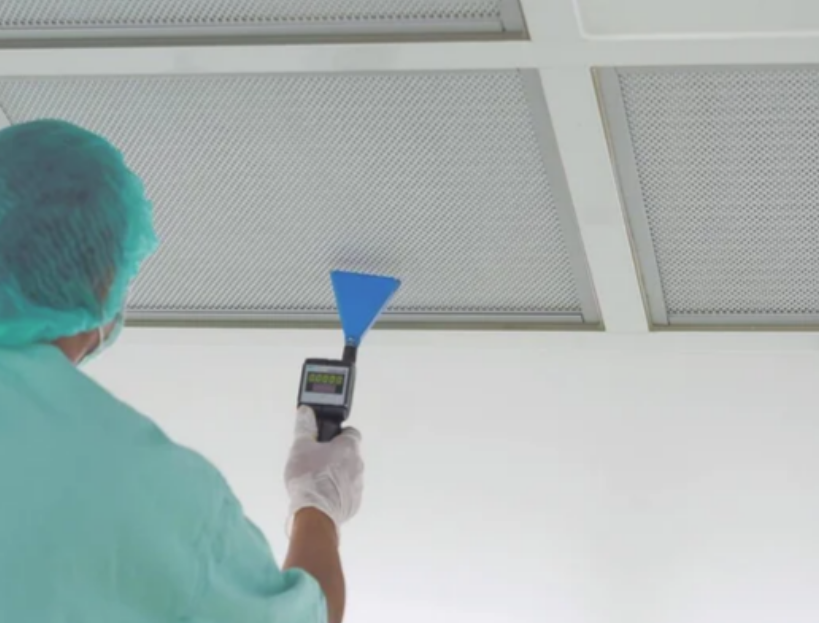
ULPA/HEPA Filter DOP. Test image 2

Trusted TAB Services in Saudi Arabia for Accurate HVAC Performance

Certified TAB Contractors KSA Delivering Balanced, Efficient Airflow

NEBB Certified HVAC Testing and Balancing Services You Can Rely On

Precise HVAC Commissioning and TAB Reports for Long-Term Efficiency

Get Your HEPA/ULPA Filters Professionally Tested & Certified

ULPA/HEPA filter integrity testing is an essential quality assurance activity in pharmaceutical manufacturing, healthcare facilities, and controlled environments across Saudi Arabia. Filter leaks compromise sterile conditions, contaminate products, and endanger patient safety. Regular integrity testing ensures filters perform as designed, maintaining ISO classification requirements and protecting critical operations.

At Shan International, our NEBB-certified testing protocols verify that installed HEPA and ULPA filters achieve specified efficiency ratings without bypass leaks. We utilize state-of-the-art aerosol photometers and discrete particle counters to detect even microscopic filter defects, frame seal leaks, or installation issues that could compromise air quality.

We serve prestigious clients including King Fahad Specialist Hospital, Saudi German Hospital, Gulf Farabi pharmaceutical facilities, and numerous GMP-certified manufacturing plants throughout the Kingdom. Our proven expertise ensures your critical environments maintain validated performance and regulatory compliance year-round.

HEPA/ULPA Filter Testing Services

FAQ

Frequently Asked Questions

This section addresses common questions about HEPA and ULPA filter testing services in Saudi Arabia. From understanding testing methodologies to regulatory compliance requirements, our certified specialists provide expert guidance on maintaining critical environment air quality standards.

What is HEPA/ULPA filter DOP testing and why is it essential in Saudi Arabia?
HEPA/ULPA filter DOP (Dispersed Oil Particulate) testing is a rigorous integrity verification method that detects filter leaks, frame seal failures, and installation defects in critical air filtration systems. The test introduces aerosol particles upstream of filters and systematically scans downstream to identify any penetration indicating compromised performance.
In Saudi Arabia's pharmaceutical, healthcare, and high-tech manufacturing sectors, filter integrity directly impacts product quality, patient safety, and regulatory compliance. Even microscopic filter leaks can introduce contamination that compromises sterile products, endangers immunocompromised patients, or ruins sensitive manufacturing processes. The Kingdom's stringent adherence to international GMP standards, ISO clean room classifications, and healthcare safety protocols makes regular filter testing mandatory for facilities throughout Riyadh, Jeddah, Dammam, and the Eastern Province.
NEBB-certified testing ensures filters meet specified efficiency ratings (typically 99.97% for HEPA H13, 99.995% for HEPA H14, and 99.9995% for ULPA U15) without bypass leaks that could invalidate controlled environment classifications.
How often should HEPA/ULPA filters be tested in pharmaceutical and healthcare facilities?
Testing frequency depends on facility type, regulatory requirements, and operational criticality. Pharmaceutical manufacturing facilities following EU-GMP and Saudi FDA guidelines typically require HEPA filter integrity testing during initial installation, after any maintenance affecting the filtration system, and annually thereafter. Some critical aseptic processing areas may require semi-annual testing.
Hospital operating rooms, isolation units, and critical care areas should undergo filter testing annually or when air quality concerns arise. Bio-safety laboratories working with infectious agents require testing after installation, following any maintenance, and annually. Clean room facilities must test filters during commissioning, after re-classification, and at intervals determined by quality management systems—typically annually.
Saudi Arabian healthcare facilities accredited by CBAHI (Saudi Central Board for Accreditation of Healthcare Institutions) and pharmaceutical manufacturers must demonstrate regular filter testing to maintain certifications. Shan International provides customized testing schedules aligned with your specific regulatory requirements, operational demands, and risk assessment protocols for facilities throughout the Kingdom.
What testing methods are available and which is best for Saudi facilities?
Multiple HEPA/ULPA testing methods are available, each suited for specific applications. The Cold DOP test using PAO (Poly-Alpha-Olefin) aerosol is the most common method for pharmaceutical and healthcare facilities. It provides reliable, cost-effective leak detection meeting ISO 14644-3 and EU-GMP requirements. Our certified technicians systematically scan filter faces and frames using calibrated photometers.
Discrete Particle Counter testing offers superior precision for ultra-clean environments like microelectronics manufacturing or advanced pharmaceutical aseptic processing. This method provides particle size distribution data and detailed contamination analysis meeting stringent documentation requirements.
Total Aerosol Penetration testing measures overall system efficiency, ideal for commissioning new installations or validating major modifications. Bench Scan testing verifies filter integrity before installation, preventing costly reinstallation of defective units.
For most Saudi Arabian pharmaceutical and healthcare facilities, Cold DOP testing using PAO aerosol provides optimal balance of accuracy, cost-effectiveness, and regulatory compliance. Shan International's NEBB certification ensures proper methodology selection and execution regardless of which testing approach your facility requires across Riyadh, Jeddah, or Dammam.
What standards and regulations govern filter testing in Saudi Arabia?
HEPA/ULPA filter testing in Saudi Arabia must comply with multiple international and local standards. ISO 14644-3 (Section 4.2.4) provides the primary framework for installed filter system leakage testing. NSF/ANSI Standard 49 governs bio-safety cabinet certification including filter integrity verification. IEST-RP-CC034 offers recommended practices for HEPA and ULPA filter testing.
Pharmaceutical facilities must meet EU-GMP Annex 1 requirements, which mandate filter integrity testing for sterile manufacturing environments. The Saudi Food and Drug Authority (SFDA) enforces compliance with these international GMP standards for all licensed pharmaceutical manufacturers in the Kingdom.
Healthcare facilities accredited by CBAHI must demonstrate proper filter maintenance and testing protocols. Facilities pursuing international accreditations like Joint Commission International (JCI) face additional documentation requirements.
Shan International maintains comprehensive knowledge of all applicable standards and regulatory requirements. Our NEBB certification ensures testing methodologies meet or exceed international benchmarks while satisfying Saudi regulatory authorities. We provide documentation packages that support regulatory submissions, validation protocols, and audit responses for facilities throughout Saudi Arabia.Discrete Particle Counter testing offers superior precision for ultra-clean environments like microelectronics manufacturing or advanced pharmaceutical aseptic processing. This method provides particle size distribution data and detailed contamination analysis meeting stringent documentation requirements.
Total Aerosol Penetration testing measures overall system efficiency, ideal for commissioning new installations or validating major modifications. Bench Scan testing verifies filter integrity before installation, preventing costly reinstallation of defective units.
For most Saudi Arabian pharmaceutical and healthcare facilities, Cold DOP testing using PAO aerosol provides optimal balance of accuracy, cost-effectiveness, and regulatory compliance. Shan International's NEBB certification ensures proper methodology selection and execution regardless of which testing approach your facility requires across Riyadh, Jeddah, or Dammam.
What happens if filters fail integrity testing in Saudi facilities?
Filter test failures indicate leaks requiring immediate remediation to maintain controlled environment integrity. Common failure causes include filter media defects, frame seal leaks, gasket compression issues, improper installation, or physical damage during maintenance activities.
When filters fail testing, our certified technicians conduct detailed investigations to locate specific leak sources. Minor frame seal leaks sometimes respond to gasket adjustments or sealant application. However, media defects or significant seal failures require complete filter replacement to restore proper performance.
Shan International provides professional filter replacement services following NAFA (National Air Filtration Association) protocols. We safely remove contaminated filters, properly dispose of hazardous materials, install certified replacement units, and conduct integrity testing to verify leak-free performance. Our comprehensive approach minimizes facility downtime while ensuring regulatory compliance.
For pharmaceutical and healthcare facilities in Saudi Arabia, failed filters trigger deviation investigations, impact assessments, and potential product holds depending on severity and location. Our detailed documentation supports your quality management responses and regulatory reporting obligations. We also provide recommendations for preventing future failures through improved maintenance protocols or installation procedures across your facilities throughout the Kingdom.Pharmaceutical facilities must meet EU-GMP Annex 1 requirements, which mandate filter integrity testing for sterile manufacturing environments. The Saudi Food and Drug Authority (SFDA) enforces compliance with these international GMP standards for all licensed pharmaceutical manufacturers in the Kingdom.
Healthcare facilities accredited by CBAHI must demonstrate proper filter maintenance and testing protocols. Facilities pursuing international accreditations like Joint Commission International (JCI) face additional documentation requirements.
Shan International maintains comprehensive knowledge of all applicable standards and regulatory requirements. Our NEBB certification ensures testing methodologies meet or exceed international benchmarks while satisfying Saudi regulatory authorities. We provide documentation packages that support regulatory submissions, validation protocols, and audit responses for facilities throughout Saudi Arabia.Discrete Particle Counter testing offers superior precision for ultra-clean environments like microelectronics manufacturing or advanced pharmaceutical aseptic processing. This method provides particle size distribution data and detailed contamination analysis meeting stringent documentation requirements.
Total Aerosol Penetration testing measures overall system efficiency, ideal for commissioning new installations or validating major modifications. Bench Scan testing verifies filter integrity before installation, preventing costly reinstallation of defective units.
For most Saudi Arabian pharmaceutical and healthcare facilities, Cold DOP testing using PAO aerosol provides optimal balance of accuracy, cost-effectiveness, and regulatory compliance. Shan International's NEBB certification ensures proper methodology selection and execution regardless of which testing approach your facility requires across Riyadh, Jeddah, or Dammam.
Can filter testing be performed while facilities remain operational?
es, most HEPA/ULPA filter integrity testing can be performed with facilities operational, minimizing production disruptions. Our certified technicians coordinate testing schedules to accommodate your operational requirements, often performing work during off-shifts or scheduled maintenance windows.
For pharmaceutical manufacturing areas, testing typically occurs during non-production periods with appropriate contamination control measures. Hospital operating rooms and critical care units can undergo testing during scheduled downtime between procedures. Laboratory and clean room environments often accommodate testing during normal operations with proper protocols.
However, some situations require temporary shutdown including initial commissioning tests, major system modifications, or when aerosol introduction poses unacceptable contamination risks. Our experienced project managers work closely with facility personnel to develop testing schedules that balance regulatory compliance needs with operational continuity.
Shan International's extensive experience testing facilities across Saudi Arabia—from active pharmaceutical manufacturing plants to busy hospital operating rooms—ensures minimal operational impact while delivering comprehensive, compliant filter integrity verification. We understand the unique challenges facing facilities in Riyadh, Jeddah, Dammam, and throughout the Kingdom, providing flexible scheduling and expert execution that maintains both production schedules and regulatory requirements.When filters fail testing, our certified technicians conduct detailed investigations to locate specific leak sources. Minor frame seal leaks sometimes respond to gasket adjustments or sealant application. However, media defects or significant seal failures require complete filter replacement to restore proper performance.
Shan International provides professional filter replacement services following NAFA (National Air Filtration Association) protocols. We safely remove contaminated filters, properly dispose of hazardous materials, install certified replacement units, and conduct integrity testing to verify leak-free performance. Our comprehensive approach minimizes facility downtime while ensuring regulatory compliance.
For pharmaceutical and healthcare facilities in Saudi Arabia, failed filters trigger deviation investigations, impact assessments, and potential product holds depending on severity and location. Our detailed documentation supports your quality management responses and regulatory reporting obligations. We also provide recommendations for preventing future failures through improved maintenance protocols or installation procedures across your facilities throughout the Kingdom.Pharmaceutical facilities must meet EU-GMP Annex 1 requirements, which mandate filter integrity testing for sterile manufacturing environments. The Saudi Food and Drug Authority (SFDA) enforces compliance with these international GMP standards for all licensed pharmaceutical manufacturers in the Kingdom.
Healthcare facilities accredited by CBAHI must demonstrate proper filter maintenance and testing protocols. Facilities pursuing international accreditations like Joint Commission International (JCI) face additional documentation requirements.
Shan International maintains comprehensive knowledge of all applicable standards and regulatory requirements. Our NEBB certification ensures testing methodologies meet or exceed international benchmarks while satisfying Saudi regulatory authorities. We provide documentation packages that support regulatory submissions, validation protocols, and audit responses for facilities throughout Saudi Arabia.Discrete Particle Counter testing offers superior precision for ultra-clean environments like microelectronics manufacturing or advanced pharmaceutical aseptic processing. This method provides particle size distribution data and detailed contamination analysis meeting stringent documentation requirements.
Total Aerosol Penetration testing measures overall system efficiency, ideal for commissioning new installations or validating major modifications. Bench Scan testing verifies filter integrity before installation, preventing costly reinstallation of defective units.
For most Saudi Arabian pharmaceutical and healthcare facilities, Cold DOP testing using PAO aerosol provides optimal balance of accuracy, cost-effectiveness, and regulatory compliance. Shan International's NEBB certification ensures proper methodology selection and execution regardless of which testing approach your facility requires across Riyadh, Jeddah, or Dammam.
Why choose Shan International for HEPA/ULPA filter testing in Saudi Arabia?
Shan International offers unmatched expertise in critical environment testing throughout Saudi Arabia. Our NEBB certification for Clean Room Testing (CRT) demonstrates mastery of proper testing methodologies, equipment operation, and documentation requirements. We maintain the region's most comprehensive inventory of calibrated testing equipment including multiple aerosol photometers, discrete particle counters, and specialized accessories.
Since 2008, we've successfully tested thousands of filters across pharmaceutical manufacturing facilities, hospital operating rooms, bio-safety laboratories, and clean room environments. Our client portfolio includes prestigious organizations like King Fahad Specialist Hospital, Saudi German Hospital, Gulf Farabi, KAUST, and numerous GMP-certified pharmaceutical manufacturers throughout the Kingdom.
We hold ISO 9001:2015 and ISO 45001:2018 certifications ensuring consistent quality and safety management. Our registration with Saudi Aramco, SABIC, and other major organizations demonstrates our capability to meet the highest standards. We provide rapid response throughout Saudi Arabia with offices strategically located to serve Riyadh, Jeddah, Dammam, and the Eastern Province.
Our comprehensive service includes testing, filter replacement when needed, detailed documentation, and ongoing technical support. We understand Saudi regulatory requirements, international standards, and industry best practices—delivering certified excellence that protects your critical operations, ensures compliance, and maintains the trust you've built with regulators and customers throughout the Kingdom.For pharmaceutical manufacturing areas, testing typically occurs during non-production periods with appropriate contamination control measures. Hospital operating rooms and critical care units can undergo testing during scheduled downtime between procedures. Laboratory and clean room environments often accommodate testing during normal operations with proper protocols.
However, some situations require temporary shutdown including initial commissioning tests, major system modifications, or when aerosol introduction poses unacceptable contamination risks. Our experienced project managers work closely with facility personnel to develop testing schedules that balance regulatory compliance needs with operational continuity.
Shan International's extensive experience testing facilities across Saudi Arabia—from active pharmaceutical manufacturing plants to busy hospital operating rooms—ensures minimal operational impact while delivering comprehensive, compliant filter integrity verification. We understand the unique challenges facing facilities in Riyadh, Jeddah, Dammam, and throughout the Kingdom, providing flexible scheduling and expert execution that maintains both production schedules and regulatory requirements.When filters fail testing, our certified technicians conduct detailed investigations to locate specific leak sources. Minor frame seal leaks sometimes respond to gasket adjustments or sealant application. However, media defects or significant seal failures require complete filter replacement to restore proper performance.
Shan International provides professional filter replacement services following NAFA (National Air Filtration Association) protocols. We safely remove contaminated filters, properly dispose of hazardous materials, install certified replacement units, and conduct integrity testing to verify leak-free performance. Our comprehensive approach minimizes facility downtime while ensuring regulatory compliance.
For pharmaceutical and healthcare facilities in Saudi Arabia, failed filters trigger deviation investigations, impact assessments, and potential product holds depending on severity and location. Our detailed documentation supports your quality management responses and regulatory reporting obligations. We also provide recommendations for preventing future failures through improved maintenance protocols or installation procedures across your facilities throughout the Kingdom.Pharmaceutical facilities must meet EU-GMP Annex 1 requirements, which mandate filter integrity testing for sterile manufacturing environments. The Saudi Food and Drug Authority (SFDA) enforces compliance with these international GMP standards for all licensed pharmaceutical manufacturers in the Kingdom.
Healthcare facilities accredited by CBAHI must demonstrate proper filter maintenance and testing protocols. Facilities pursuing international accreditations like Joint Commission International (JCI) face additional documentation requirements.
Shan International maintains comprehensive knowledge of all applicable standards and regulatory requirements. Our NEBB certification ensures testing methodologies meet or exceed international benchmarks while satisfying Saudi regulatory authorities. We provide documentation packages that support regulatory submissions, validation protocols, and audit responses for facilities throughout Saudi Arabia.Discrete Particle Counter testing offers superior precision for ultra-clean environments like microelectronics manufacturing or advanced pharmaceutical aseptic processing. This method provides particle size distribution data and detailed contamination analysis meeting stringent documentation requirements.
Total Aerosol Penetration testing measures overall system efficiency, ideal for commissioning new installations or validating major modifications. Bench Scan testing verifies filter integrity before installation, preventing costly reinstallation of defective units.
For most Saudi Arabian pharmaceutical and healthcare facilities, Cold DOP testing using PAO aerosol provides optimal balance of accuracy, cost-effectiveness, and regulatory compliance. Shan International's NEBB certification ensures proper methodology selection and execution regardless of which testing approach your facility requires across Riyadh, Jeddah, or Dammam.

Featured Projects.

Shan International has successfully completed HEPA/ULPA filter integrity testing across Saudi Arabia’s most critical facilities. Our portfolio includes pharmaceutical clean rooms, hospital isolation units, bio-safety laboratories, and controlled manufacturing environments.

Notable projects include comprehensive filter testing at King Fahad Specialist Hospital Dammam for mycobacterium tuberculosis labs and MERS-Corona patient isolation rooms, complete filter verification at Gulf Farabi pharmaceutical facility in Jubail, bio-safety cabinet certification at Al-Hada Military Hospital Taif, and multiple pharmaceutical manufacturing clean room certifications throughout the Kingdom. Each project reflects our commitment to NEBB standards, technical precision, and regulatory compliance.

Testimonials

Select the fields to be shown. Others will be hidden. Drag and drop to rearrange the order.
  • Image
  • SKU
  • Rating
  • Price
  • Stock
  • Availability
  • Add to cart
  • Description
  • Content
  • Weight
  • Dimensions
  • Additional information
Click outside to hide the comparison bar
Compare