

The Silent Problem Costing You Thousands
Imagine investing millions in a state-of-the-art HVAC system, only to discover it operates at 60% efficiency because of improper commissioning. This scenario plays out more frequently than most facility managers realize. The culprit? Lack of proper Testing, Adjusting, and Balancing during installation and operation.
Buildings across the Middle East and beyond waste substantial energy and money because their mechanical systems never receive the precision tuning required for optimal performance. Understanding TAB services and their critical role in facility operations can transform both comfort levels and operating budgets.
What Testing, Adjusting, and Balancing Actually Means
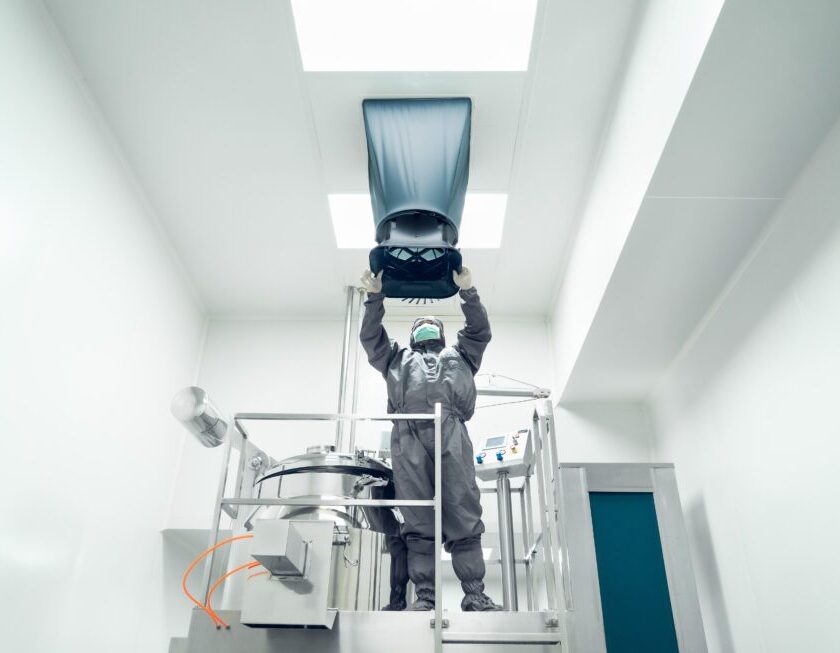
Testing, Adjusting, and Balancing—commonly abbreviated as TAB—represents a systematic process that ensures HVAC systems perform according to design specifications. This three-phase approach addresses every aspect of system operation from airflow to hydronic distribution.
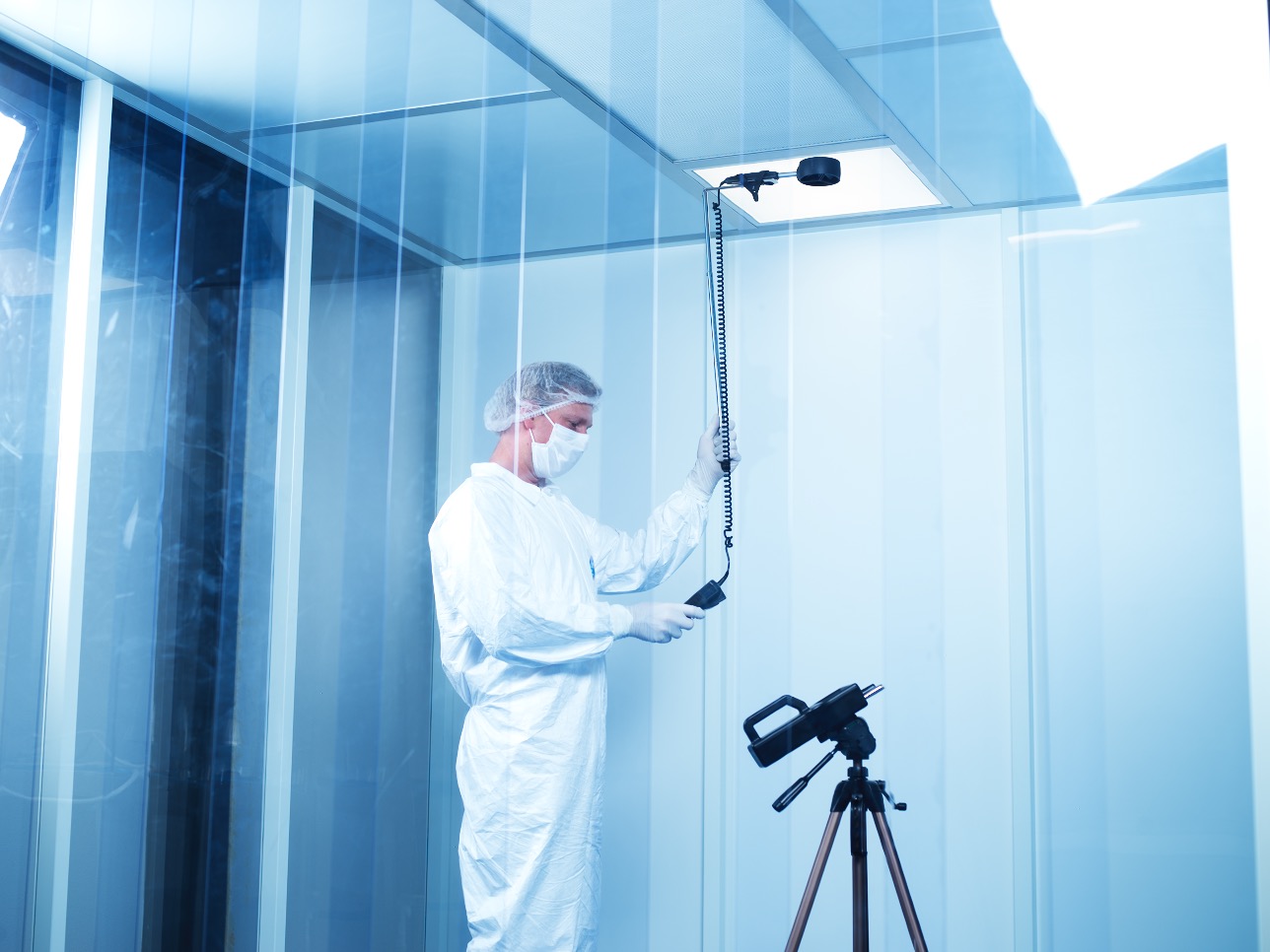
The testing phase involves measuring actual system performance using calibrated instruments. Technicians document airflow volumes, water flow rates, temperatures, pressures, and other critical parameters throughout the facility. This data reveals how the system actually operates versus how designers intended it to function.
Adjustment comes next, where technicians modify system components to bring performance within acceptable tolerances. This might involve repositioning dampers, adjusting valve settings, or fine-tuning control sequences. The goal is achieving design specifications within industry-standard tolerances.
Balancing represents the final phase, where technicians proportionally distribute air or water throughout the system. This ensures uniform delivery to all areas, eliminating hot spots, cold zones, and other comfort complaints that plague improperly balanced facilities.
23 FedArchitecture, InteriorThe company needed to complete a complex migration on a tight deadline to avoid millions of dollars in post-contract fees and fines.
Mitchel Krytok – Quote
Why Certified TAB Services Matter
Anyone can adjust dampers and take readings, but certified TAB contractors bring specialized expertise and accountability that untrained personnel cannot provide. Certification through recognized industry organizations requires rigorous training, examination, and adherence to detailed procedural standards.
Certified professionals employ calibrated equipment with documented accuracy. Their instruments receive regular recalibration to maintain precision, ensuring measurements reflect true system performance rather than instrument drift or error.
Perhaps most importantly, certified contractors follow established procedures that eliminate guesswork. These systematic approaches address all system components in logical sequence, preventing the common practice of adjusting one area only to create problems elsewhere.
The Comprehensive Scope of Professional TAB Services
Air balancing forms the foundation of TAB work, ensuring proper airflow to every space. Technicians measure supply, return, and exhaust air quantities, then adjust the system to deliver design volumes. This process addresses everything from individual diffusers to entire air handling units.
Hydronic balancing focuses on water-based heating and cooling systems. Proper water flow through coils, radiators, and other heat transfer devices determines system capacity. Imbalanced hydronic systems waste pump energy while failing to deliver adequate heating or cooling.
Sound and vibration testing identifies excessive noise levels and mechanical vibrations that indicate equipment problems or poor installation practices. Addressing these issues improves occupant comfort and extends equipment life by reducing wear on components.
Performance testing evaluates major equipment including chillers, cooling towers, air handling units, and exhaust fans. These tests verify that equipment achieves rated capacity and operates efficiently across all load conditions.
Common System Problems TAB Services Identify
Many facilities operate with undiagnosed deficiencies that certified TAB contractors quickly identify. Undersized ductwork represents a frequent problem, where cost-cutting during construction creates permanent inefficiency. TAB testing reveals these issues early, allowing correction before systems enter operation.
Improperly sized air distribution devices create noise problems and comfort issues. Registers, grilles, and diffusers selected without proper engineering analysis generate complaints that persist throughout building life. TAB contractors document these problems and recommend appropriate solutions.
Missing or incorrectly positioned balancing dampers make proper adjustment impossible. When contractors omit these critical components or install them in inaccessible locations, achieving balanced airflow becomes extremely difficult. Early TAB involvement during construction prevents these problems.
The Financial Impact of Professional TAB
Energy savings from properly balanced systems typically exceed the cost of professional TAB services within months. Systems operating near design conditions consume substantially less energy than those running unbalanced with some areas overcooled and others underserved.
Reduced maintenance costs follow naturally from balanced operation. Equipment running at design conditions experiences less wear, fewer breakdowns, and longer service life. The stress reduction on motors, bearings, and other components translates directly to lower maintenance budgets.
Comfort improvements eliminate the productivity losses associated with temperature complaints and frequent HVAC service calls. Occupants working in properly conditioned spaces focus on their tasks rather than battling uncomfortable conditions.
When to Engage TAB Contractors
The ideal time for TAB involvement is during project design and construction rather than after occupancy. Early engagement allows TAB contractors to review designs, identify potential problems, and recommend modifications while changes remain inexpensive.
During construction, TAB contractors monitor installation quality, verify proper equipment placement, and ensure contractors install necessary balancing devices. This oversight catches errors before they become permanent fixtures requiring expensive correction.
Post-construction TAB services verify that completed systems operate as intended before owner acceptance. This final verification protects owners from inheriting systems with hidden deficiencies that might not surface until warranty periods expire.
The TAB Process for Existing Facilities
Existing buildings benefit enormously from professional TAB services, even years after initial construction. Building uses change, equipment ages, and control systems drift from original settings. Periodic TAB services restore optimal performance.
The process begins with comprehensive system evaluation documenting current operating conditions. This baseline assessment identifies immediate problems and establishes metrics for measuring improvement.
Technicians then develop an action plan addressing identified deficiencies. Some problems require equipment replacement or modification, while others need only adjustment of existing components. The plan prioritizes improvements based on potential impact and implementation cost. Implementation follows, with systematic testing and adjustment of all system components. Documentation throughout the process provides permanent records of work performed and results achieved.
Specialized TAB Applications
Cleanroom facilities require exceptionally precise TAB services to maintain classification standards. Air change rates, pressurization sequences, and filter performance all demand exact measurement and adjustment. Even minor deviations can compromise sterile conditions.
Healthcare facilities need careful attention to isolation room pressurization, operating room air change rates, and laboratory exhaust systems. Patient safety and infection control depend on proper HVAC performance verified through rigorous TAB procedures.
Industrial facilities with process cooling requirements or hazardous material handling benefit from TAB services ensuring proper ventilation and contamination control. These applications often involve integration between HVAC systems and process equipment.
Selecting Qualified TAB Contractors
Certification represents the primary qualification to verify when selecting TAB contractors. Recognized industry certifications demonstrate competency and adherence to established standards. Ask potential contractors about their certification status and verify credentials independently.
Equipment inventory matters significantly. Professional TAB requires substantial investment in calibrated instruments capable of measuring various parameters with documented accuracy. Contractors should maintain comprehensive equipment inventories with current calibration certificates.
Experience with similar facility types provides valuable insight into specific challenges and requirements. A contractor experienced with healthcare facilities brings different expertise than one focused on commercial offices, even though both may hold appropriate certifications.
Documentation and Ongoing Maintenance
Comprehensive TAB reports provide permanent records of system performance and adjustment. These documents prove invaluable for troubleshooting future problems, planning modifications, and demonstrating compliance with building codes or accreditation standards.
Regular retesting maintains optimal performance as systems age and building uses evolve. Many facilities establish ongoing maintenance contracts ensuring periodic TAB verification, typically every few years depending on facility type and criticality.
Building automation system integration allows continuous monitoring of key performance parameters between formal TAB events. This automated oversight alerts facility managers to developing problems before they significantly impact comfort or efficiency.
Achieving Peak System Performance
Professional Testing, Adjusting, and Balancing transforms HVAC systems from construction projects into finely tuned mechanical systems delivering design performance. The investment in certified TAB services pays dividends through reduced energy consumption, lower maintenance costs, and improved occupant comfort.
Whether commissioning new construction or optimizing existing facilities, TAB services provide the precision required for modern HVAC systems to achieve their potential. Facility managers committed to operational excellence recognize TAB as essential rather than optional.
The path forward begins with evaluation. Engaging certified TAB professionals to assess current system performance reveals opportunities for improvement and establishes baseline metrics for measuring success. Your facility deserves the efficiency and comfort that only properly balanced systems deliver.